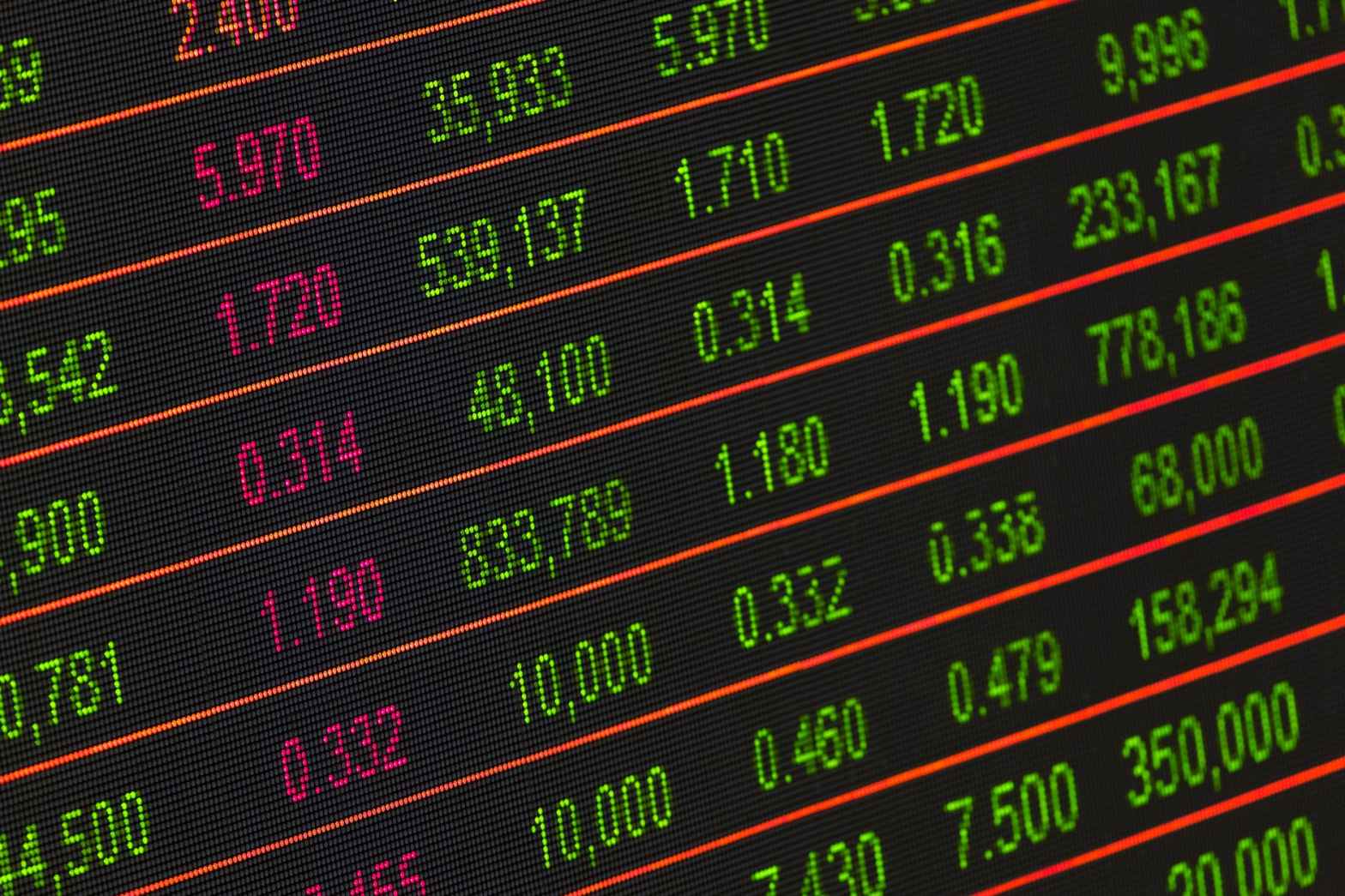
After years of sitting on the sidelines, strategically determining which restaurant you’re going to eat at each night, you finally decide to cut back on the appetizers and start investing in the stock market. You watch a few investing gurus on YouTube, download an investment app, deposit $100, get your sign-up bonus, and buy your first stock. It takes off, and you’re up significantly on your investment.
You did it. Now, you’re the investing guru.
Then, the Federal Reserve pulls the rug right out from under you by raising interest rates at a higher than anticipated speed, stoking the flames of that ever-present fear: a recession.
Your stock falls…and falls…and falls. Your net profit is now a loss, and you start thinking about those appetizers, those delicious, mouth-watering appetizers, left behind for vultures who perfectly timed the market at your expense.
This quick fluctuation is market volatility, and watching these extreme swings can test the conviction of even the most seasoned investors. For those new to the game, selling for a loss before you get even further wrecked can feel like the smartest option, especially when you consider that cash-strapped Americans facing inflation pressure are now asking friends and family for money.
At times like this, it’s important to know panic has been the failure of many before, and composure is what separates investors from paper hands. Track any black swan event, and you’ll quickly learn the overall market has always headed in one direction – up and to the right.
To keep this weight from picking at you day after day, it’s important to have a strategy to deal with the extreme volatility in the stock market. Here are a few tips to help you do just that:
Invest, Don’t Trade
There’s a thrill in trading stocks, riding the fluctuations in the price for short-term gains. The gratification from reading a chart and timing the market perfectly is a quick dopamine boost, making it easy to get caught up in the trade.
The reality is that around 97% of traders are unsuccessful.
Unless you have years of experience in the stock market and time to learn the ins and outs of trading, it’s best to start with the mindset of an investor to prepare yourself for a volatile market, and if you do want to trade, keep it to a small portion of your portfolio.
What is Investing?
Built around a long-term outlook, investing is when you purchase a financial asset with the intention of holding it through swings in the market. The expectation is that the stock will gradually rise over time and pay off years or decades later.
Holding a stock over a long time period reduces risk if there are any hiccups in the road and helps investors deal with volatility to the downside. It also gives the company, the one you decided to fork your hard-earned money into, enough time to execute a business plan and return profits to investors over multiple quarters with positive earnings reports.
The Art of Diversification
Don’t put all your eggs in one basket. Sure, it’s a cliche, but diversification is one of the best ways to manage your risk and deal with stock market volatility. After all, if one stock goes down, you’ll have others to balance the weight of the loss unless there’s a drop in the overall market.
Having multiple stocks doesn’t mean a portfolio is diversified, though. It’s important to choose equities from different sectors. If you own several automotive stocks but nothing else, your portfolio is completely dependent on the growth of that sector. Any setback could affect all of your investments.
If you choose stocks from several sectors — automotive, technology, and consumer goods — you’re much more protected against volatility in any one sector.
Exchange-Traded Funds
You can choose to put your money into an exchange-traded fund (ETF), which generally follows a specific index like the S&P 500. An ETF gives you exposure to multiple stocks in a single investment and is much more shielded from volatility. Even if several stocks in the ETF drop, the fund can still go up because other stocks performed well.
Investors who don’t have time to track individual companies will often stow their cash away in ETFs instead. Though they might not see as big of returns as an individual stock, they also don’t face the same downward pressure. The overall fund is there to protect the investment as market cycles play out.
Risk Tolerance in the Face of Volatility
A strong consumer and low unemployment are two key factors in a healthy economy, and metrics like these help determine risk tolerance. During a risk-on environment, investors frantically search for the next “big thing,” especially when it comes to technology. This search for innovation leads to wild speculation in unproven companies and can drive the stock price up substantially in a short time period.
On the flip side, when fear, uncertainty, and doubt (FUD) slip into the minds of investors, stocks with high speculation are the first to fall, and they fall fast as risk reduction becomes the norm. The volatility to the upside quickly shifts to the downside. This type of risk-off environment turns many investors away from the stock market altogether, as they shuttle their money back into their bank accounts or to safer assets like low-yielding bonds.
The best way to manage volatility through risk-on and risk-off cycles is to keep risky assets to a small portion of your portfolio and to hold consumer staples and utility stocks that will be used no matter how the overall economy performs.
Combat Volatility With an Investment Plan
Now that you understand how to create a diversified portfolio with healthy risk management, it’s important to develop a plan that works for you. Just like how no one can time the market perfectly, no one can tell you exactly what plan to follow. If you’re in control of your own finances, you’ll have to decide when to buy, sell, and hold. Luckily, there are plenty of tricks to help you devise a plan.
Stick to Your Convictions
Read WallStreetBets, a popular subreddit forum for retail traders, and you’ll find plenty of enthusiasm behind a range of stocks. Common phrases you’ll see are “short squeeze play,” “diamond hands,” and “to the moon.” What you’ll sparsely find is a fundamental analysis of a company’s finances, business model, and plans for future growth.
To be able to tread water during periods of volatility, the company’s financial plan has to translate into profitability at some point. That could take several quarters, it could take years. Even for profitable companies, the stock can still underperform before it finally takes off. If you don’t want to lose your head when the market swings against you, ask yourself a few questions about the company you’re investing in:
- How much do you know about the company?
- Have you used their products? Are you happy with how those products perform?
- Does this company have a solid business model that will turn profitable if it’s not already?
These questions will give you a foundation of trust with the company you invest in and make it easier to have “diamond hands” during downswings. You don’t have to worry about the volatility because your conviction will guide you through.
Dollar Cost Average
Determine when you’re going to buy and how much money you want to put in at a time. You can choose to buy daily, weekly, or monthly, but consistency is the key. Whether the stock is up or down, continue to dollar cost average (DCA) to build out your position in a company or an ETF.
By dividing your investment into smaller purchases instead of throwing all of your savings in at once, you protect your portfolio from the volatility that comes when investors move from risk-on to risk-off assets. You’re consistently purchasing, and your entry price will better reflect where the market is at. Additionally, your emotions will thank you because you know you’re committed to investing no matter how volatile the market is at the time.
Know When to Fold Them
There are times when you need to sell out of a stock. For example, if you plan to move into a different asset or want to start your own business and need the funds soon, you might want to get out of some of your riskier equities when volatility hits the market. You can then store that money into safer plays until you’re ready to pull it from the stock market to invest elsewhere.
Some investors also set a rule on how far a stock can drop from their initial investment before they sell the position. That could be 15 percent, 25 percent, or 50 percent depending on your risk level. Other investors will look at volatility as a buying opportunity. When there’s a major dip, they get to lower their cost basis for future gains.
The point isn’t to tell you which plan is right or wrong, but it’s important to lay out your strategy and stay the course when you’re deciding if it’s time to sell or not.
The same can be said about when a stock goes up. It’s common for investors to sell half of their position once a stock doubles in price to get back their initial investment. Again, it’s not a fast and hard rule, but knowing when and how to exit a position will help you navigate volatile markets confidently.
When to Take Out a Loan
If volatility is hammering down on your portfolio, you might not want to move out of your investments even though you need the money in the short term. Whether you have a job lined up and need to pay bills before it starts or want to launch a side hustle you’ve been planning for months, taking out a low-interest loan could be your best option as long as you have a plan to pay it back.
After all, the stock market traditionally outperforms a loan under 6 percent, which means you could benefit from accepting a loan from a family member or friend during downswings in the market. With minimum interest rates being 1.26 percent on short-term loans, you can keep your investments and still have quick access to cash.
Wrap Up
Stock market volatility doesn’t have to send you running. With strong conviction in the companies you’re investing in, proper risk management, and an investing strategy, you can keep your emotions in check by navigating the extreme swings that are bound to come. Keep your wits about you, stay consistent, and the market will work for you.
 Gavin Thagard